

Direct answer
The collected Crimson Moon review evidence supports a balanced verdict: it suits players who want compact, loot-driven action runs and optional two-player co-op, but camera, control, clarity, and launch-polish concerns may matter to some buyers.- Best fit
- Compact loot-driven action RPG
- Co-op
- Optional, 2 players
- Score status
- Dated and changing
What reviewers consistently liked
The captured review picture favors Crimson Moon most strongly as a compact, loot-driven action RPG. Positive themes include short replayable runs, approachable Souls-inspired combat, frequent equipment and build decisions, complete solo play, and co-op that is easy to start. Those points describe reviewer experience rather than an objective promise that every player will enjoy the same pace.
The Outerhaven review particularly praised the combination of combat, loot variety, and a run length that does not consume an entire evening. It considered the $20 range part of the value argument. That value judgment depends on a player's expectations, region, and current store price, so the page should explain the fit instead of declaring a universal bargain.
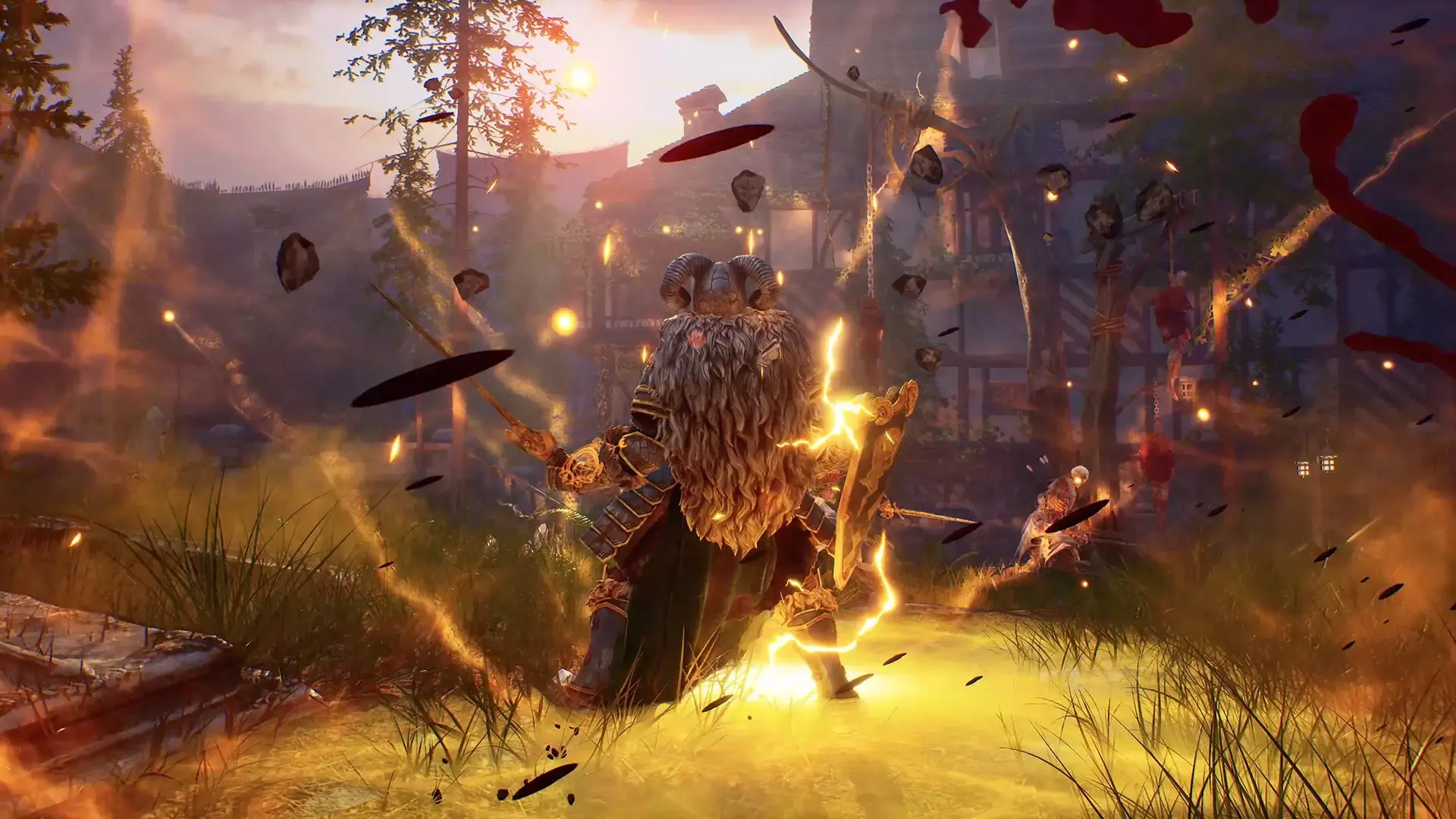
Recurring criticisms and patch context
Captured criticisms include camera behavior near walls or large enemies, awkward control or parry feedback, limited weapon variety, unclear progression rules, and missing accessibility or remapping options at review time. These themes recur across review material, but they do not prove that every player experiences the same severity. Platform, control method, and patch version can change the result.
Later Steam Community updates introduced an initial PC keybinding implementation and named camera, UI, crash, and progression work. Launch reviews and later patch notes must therefore be separated rather than blended. Current fixes, remaining defects, and performance on a reader's hardware remain To be confirmed beyond the dated sources.
How to read changing review scores
The September 4 research snapshot recorded a 71 Metascore and 6.9 user score on Metacritic, both labeled Mixed or Average. Steam also showed a Mixed English review summary, but its review counts changed between successive captures. These values are useful only when paired with their capture date.
A score compresses different priorities into one number and should not replace the underlying reasons. Some reviewers valued quick co-op runs and build experimentation, while others placed more weight on camera or control issues. Current aggregate totals and percentages remain To be confirmed whenever the page is updated because new reviews continue to arrive.
Core melee combat tools
The captured gameplay material describes light and heavy attacks, dodges, jumps, blocks, parries, backstabs, and weapon-specific abilities. Throwing knives, bombs, and other consumables add utility alongside the equipped weapons. Combat is Souls-inspired, but the run structure and loadout systems give it a different rhythm from a single continuous campaign.
New players benefit from learning enemy windups before committing to long attack chains. A controlled dodge, block, or parry can protect the loot and progress already gathered during the hunt. The sources do not define one universally correct control scheme, and platform-specific bindings can change through patches.
The complete hunt loop
A hunt begins at Sanctus Clypeus, where you choose equipment, consumables, and an Angel before using the War Table. The current official explanation describes a full run as three missions followed by a World Boss. Returning to the hub between those missions does not finish the run, so preparation before the first mission matters.
Inside a mission, you clear objectives, fight enemies, explore the Ward, and collect equipment that can change the current build. Nexus Gates offer temporary Boons that remain active for the rest of that hunt. A completed run turns selected discoveries into permanent options through purification, creating the link between one run and the next.
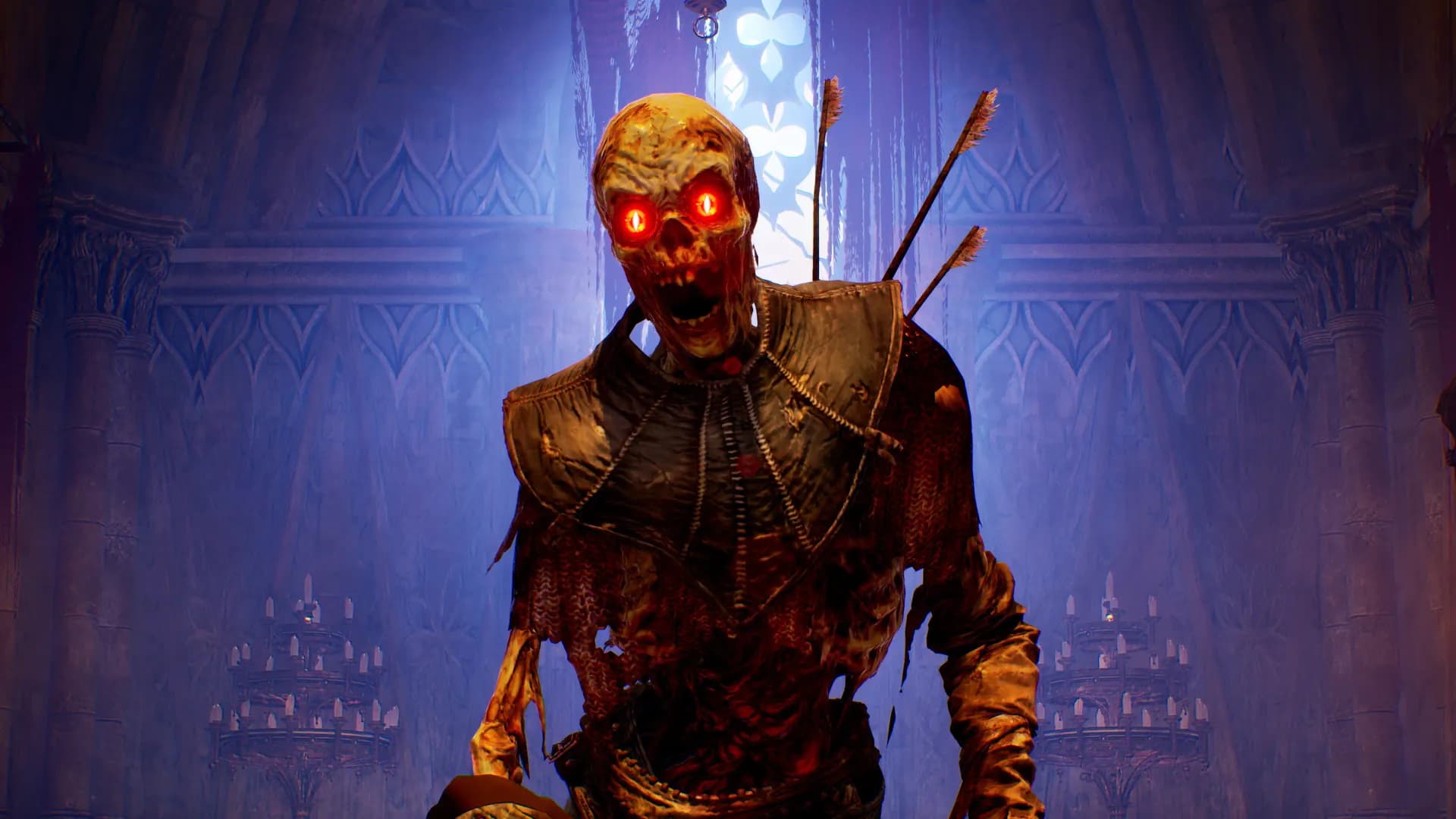
How to plan a coherent build
Start with one repeatable combat trigger, such as blocking, parrying, sprint attacks, heavy attacks, status application, or recovery after a kill. Then choose gear, Weapon Arts, and Boons that reinforce that action instead of collecting unrelated bonuses. The official guide explicitly says rarity alone does not define the best setup.
A practical build also needs one defensive or sustain layer before every slot is committed to damage. Compare a weapon's Weapon Art, passive effect, damage behavior, and stamina demand before replacing it for a small stat increase. Exact damage values and final tier rankings are patch-sensitive and remain To be confirmed unless checked in the current game version.
Solo play and the two-player limit
Crimson Moon supports one player solo or two players in online co-op. The PlayStation listing states one player and up to two online players, while the Xbox capability list states online co-op for two. The party cap is therefore one host plus one partner, not a three- or four-player squad.
Co-op is optional rather than required for the campaign loop. The official support guide says solo play is a complete designed experience and that the game adjusts when a second Nephilim joins. Local split-screen or couch co-op is not established by the collected sources and remains To be confirmed rather than assumed.
Keyboard, mouse, and controller status
A Steam Community announcement recorded an initial keyboard-and-mouse remapping implementation in patch 1.0.0.1. It allowed available actions to be rebound, defaults to be restored, and mouse sensitivity to be adjusted through Settings, Keyboard, and a custom keyboard profile. This update came after reviews that criticized the launch control options.
The same announcement said multiple bindings, double-tap inputs, and hold inputs were not included in that initial implementation. It also named camera behavior, UI scaling, crashes, progression issues, and additional controller layouts as areas under work at the snapshot. Current patch behavior is To be confirmed beyond that dated update.
Standard, Deluxe, and upgrade prices
Official launch material listed the Standard Edition at $19.99 USD and the Deluxe Edition at $29.99 USD. A September 5 Steam capture displayed the base game at $19.99 and a two-item Deluxe bundle at $29.98, showing that store packaging can produce a slightly different total. The Xbox Deluxe Upgrade page displayed $9.99 and required the base game.
These are dated US store snapshots rather than worldwide fixed prices. Taxes, currency conversion, discounts, bundles, and regional pricing can change the amount shown at checkout. Any price outside the cited region and date remains To be confirmed until the relevant store page is checked.
How this page treats changing information
Crimson Moon launched recently, so store data, patch behavior, community activity, catalog inclusion, review totals, and promotions can change quickly. This guide separates stable mechanics from dated snapshots and labels unresolved claims To be confirmed. A newer official support article or platform listing outranks an older community guide when they disagree.
The source list records where each claim came from instead of treating a search snippet as proof. Blocked pages, unavailable captions, and missing fields remain evidence gaps. Readers making a purchase, account, or redemption decision should open the linked official source and check its current date, region, and platform conditions.
Frequently asked questions
Is Crimson Moon universally recommended?
No. The evidence supports a clear audience fit and clear cautions rather than a universal verdict.
Are launch control complaints still fully current?
Not necessarily. A later update added initial PC remapping, while other patch-sensitive issues require current verification.
Sources and evidence
Store, support, and captured guide references used for this page.