

Direct answer
Crimson Moon uses a hybrid run loop: field equipment and Nexus Gate Boons shape the current hunt, failure resets temporary power, and experience, Gold, purified gear, and unlocked Boon options support later attempts. The captured sources use both roguelike and roguelite language, so the page focuses on those documented systems rather than forcing one label.- Temporary power
- Field gear and Nexus Gate Boons
- Permanent progress
- Experience, Gold, and purified gear
- Fixed classes
- None
A Souls-inspired roguelike hybrid
Crimson Moon combines deliberate melee combat with a run structure built around temporary power and lasting progression. Developer material compares the death loop with a traditional roguelike power curve, while preview coverage calls the broader design a blend of Soulslike combat and roguelike progression. The collected sources use both roguelike and roguelite language, so the useful distinction comes from the systems rather than a rigid genre label.
The game asks players to enter a hunt, improve through field equipment and temporary Boons, risk unpurified discoveries, and return to expand permanent options. Death can reset the active power curve without erasing every account-level gain, which is why many players would describe the structure as roguelite. The page can explain that pattern without claiming that every room, enemy, objective, or map is procedurally generated.
A pre-release hands-on account described dynamically shifting levels and post-level build choices, but that demo observation should not be treated as a complete launch specification. The release-era sources more reliably establish replayable hunts, field adaptation, purification, and difficulty progression. Those confirmed mechanics are enough to explain the hybrid loop without promising random generation that the collected launch material never defines.
Permanent preparation at Sanctus Clypeus
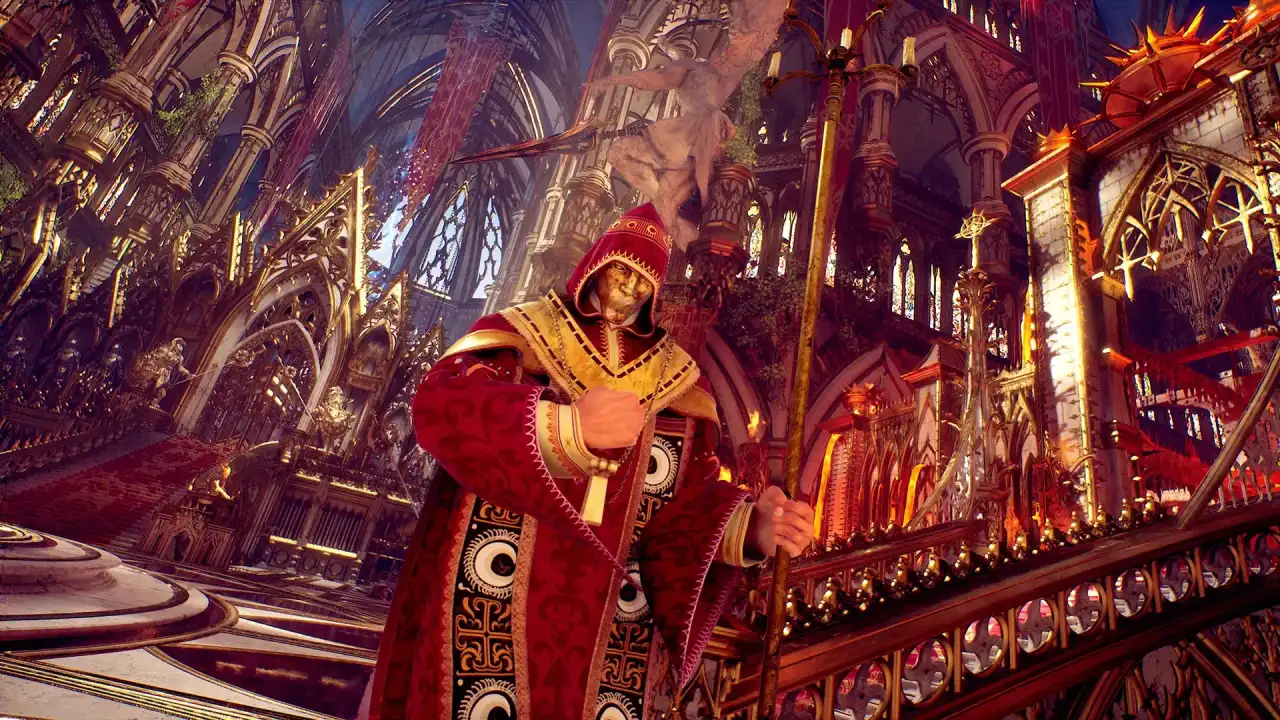
A hunt begins from Sanctus Clypeus, where the player prepares equipment, consumables, and an Angel before using the War Table. The official build explanation defines the permanent starting framework through nine equipment pieces, Weapon Arts, the selected Angel, and the collection earned across earlier hunts. This preparation gives the next attempt a foundation without fixing the build for every decision that follows.
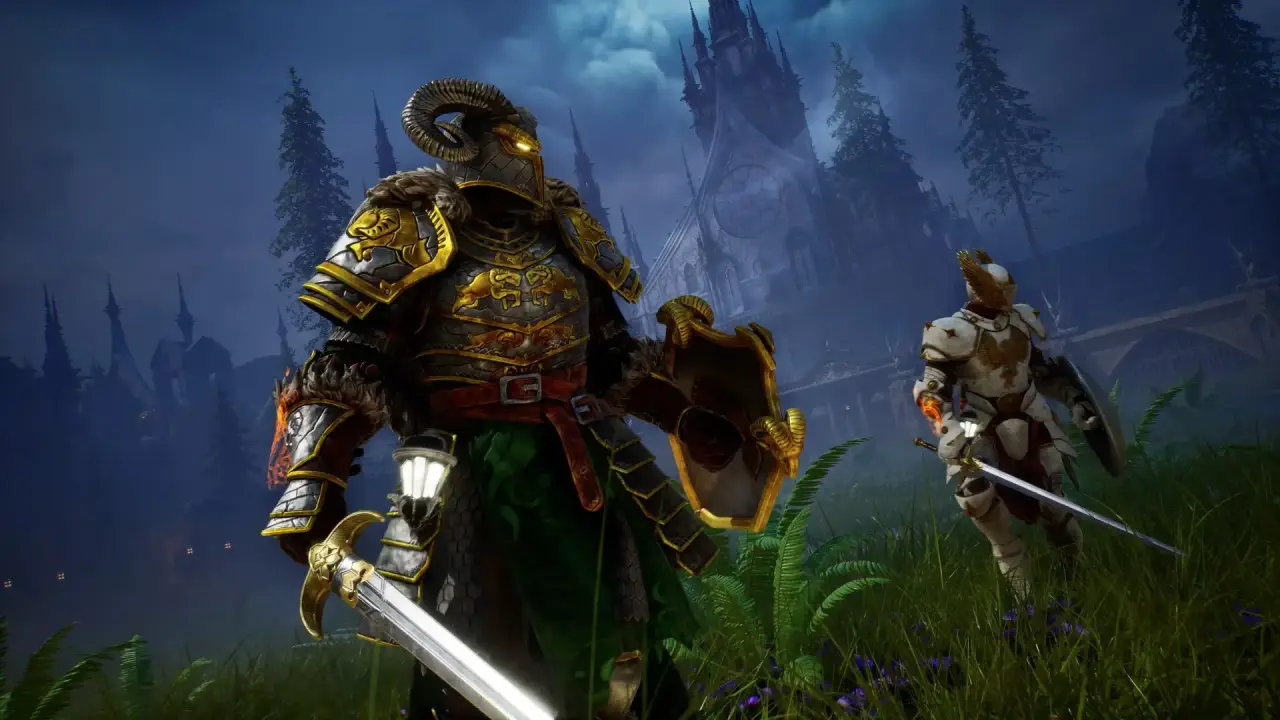
The loadout includes four armor pieces, two trinkets, a one-handed weapon with a shield, and a two-handed weapon. Rarity alone does not determine the strongest starting set because passive conditions, Weapon Arts, armor-set effects, and defensive needs can reinforce or undermine one another. Permanent preparation is therefore about choosing a coherent trigger and safety layer before the run begins, not merely equipping the largest visible numbers.
Temporary power inside a hunt
Once a hunt is active, found equipment can change the build for the current attempt. Nexus Gates also present temporary Boons that remain for the rest of that run, giving the player repeated choices between strengthening the original plan and adapting to a better field opportunity. These effects should not be described as permanent class talents or guaranteed starting options.
A player might enter with a critical-damage plan and then find a strong Frost weapon plus Boons that reward Frost application. The captured beginner guide uses that kind of pivot to show why successful builds respond to the offered pieces instead of forcing an initial idea through every run. Random availability does not prove random map generation, but it does create meaningful variation in how the same permanent collection develops during a hunt.
Weapon Arts deepen that temporary decision-making because each weapon carries an ability with its own combat use and cooldown. A new weapon can therefore change reach, control, status application, or defensive utility even when its base attack is not the largest number in the bag. Evaluating the whole interaction keeps the run adaptive without inventing a universal best item.
Failure, lost gear, and retained gains
Official beginner material says a failed run removes equipment that has not been purified while allowing earned experience and Gold to remain. The developer AMA also describes death as returning the player to the hub, resetting gear, and sending the active power curve back toward its base. Previously purified collection items remain the stable foundation for trying again.
The captures do not fully define disconnects, manual exits, host migration, or every checkpoint that may count as a safe return. They also use slightly different language around defeating a Ward boss and completing a full hunt, so the exact mid-run boundary should not be invented. The reliable rule is that unpurified field loot carries risk, while experience, Gold, and already secured collection progress support the next attempt.
Purification as permanent progression
Purification turns recovered field equipment into a permanent collection option for future loadouts. Weapons, armor, and trinkets that survive the required return can then be selected before later hunts, gradually widening the builds available at the start. This system links one run to the next without making every powerful temporary roll permanent.
A captured community explanation reports that purification preserves the item as a collection version rather than retaining the exact rarity and random Boons found in the field. That conversion detail is not confirmed by the official material in this batch, so it should remain clearly dated and subject to an in-game check. The stable value of purification is access: a successfully recovered item stops being only a discovery from one attempt.
Lore Scrolls and the future Boon pool
Exploration can improve later runs as well as the current one. Captured beginner material says Lore Scrolls can be returned to the Librarian to expand the selection of Boons that may appear in future hunts. A Lore Scroll therefore affects future possibility, while a Nexus Gate choice supplies a temporary effect for the active run.
That distinction explains why exploring side rooms can matter even when the current build already feels strong. Chests and equipment may solve an immediate combat problem, while a recovered Scroll broadens the system that generates later choices. The sources do not provide a complete Scroll map, fixed spawn route, or total unlock count, so the page should encourage exploration without inventing collectible coordinates.
Run resources and account resources
The captured beginner guide distinguishes Souls from Gold by the time scale they serve. Souls primarily strengthen the current run and can be spent on field improvements, while Gold is permanent and supports progress between hunts. Holding a run resource carries different risk from saving a currency that remains after failure.
This difference creates a practical decision whenever a merchant offers equipment that can stabilize the active build. Spending temporary Souls may improve the chance of reaching purification, while hoarding them can waste their value if the hunt collapses, although some effects reportedly benefit from retained Souls. Exact prices and special-item interactions are not stable enough in the collected sources for a universal spending table.
Difficulty, co-op, and replayability
Completing major encounters unlocks higher difficulty tiers with tougher pressure and better potential rewards. Replaying runs can add experience, Gold, purified gear, and future Boon options, so progression continues through more than a single linear quest chain. The collected material does not promise infinite handcrafted content or prove that every repeat produces a unique mission layout.
Co-op adds another form of variation because two players can coordinate complementary builds, share a life pool, and exchange replaced field equipment. Enemy composition and challenge also adjust for the pair, preventing the second player from being treated as free power with no systemic response. These features extend the run loop, but they do not change the two-player cap or establish cross-progression between platforms.
Replayability also comes from pursuing several kinds of lasting progress at once. Experience strengthens the Nephilim, Gold supports permanent upgrades, purification broadens the equipment collection, and Lore Scrolls expand future Boon possibilities. The sources do not assign a fixed endpoint to all four tracks, so the page should describe a repeatable structure rather than an infinite-content promise.