

Direct answer
Crimson Moon does not have a documented traditional face-and-body character creator in the collected sources. You play a predefined Nephilim and customize appearance and combat mainly through armor, weapons, Weapon Arts, Boons, and the selected Angel.- Avatar creator
- Not documented
- Playable identity
- Predefined Nephilim
- Customization
- Loadout and armor
Character creation and the predefined Nephilim
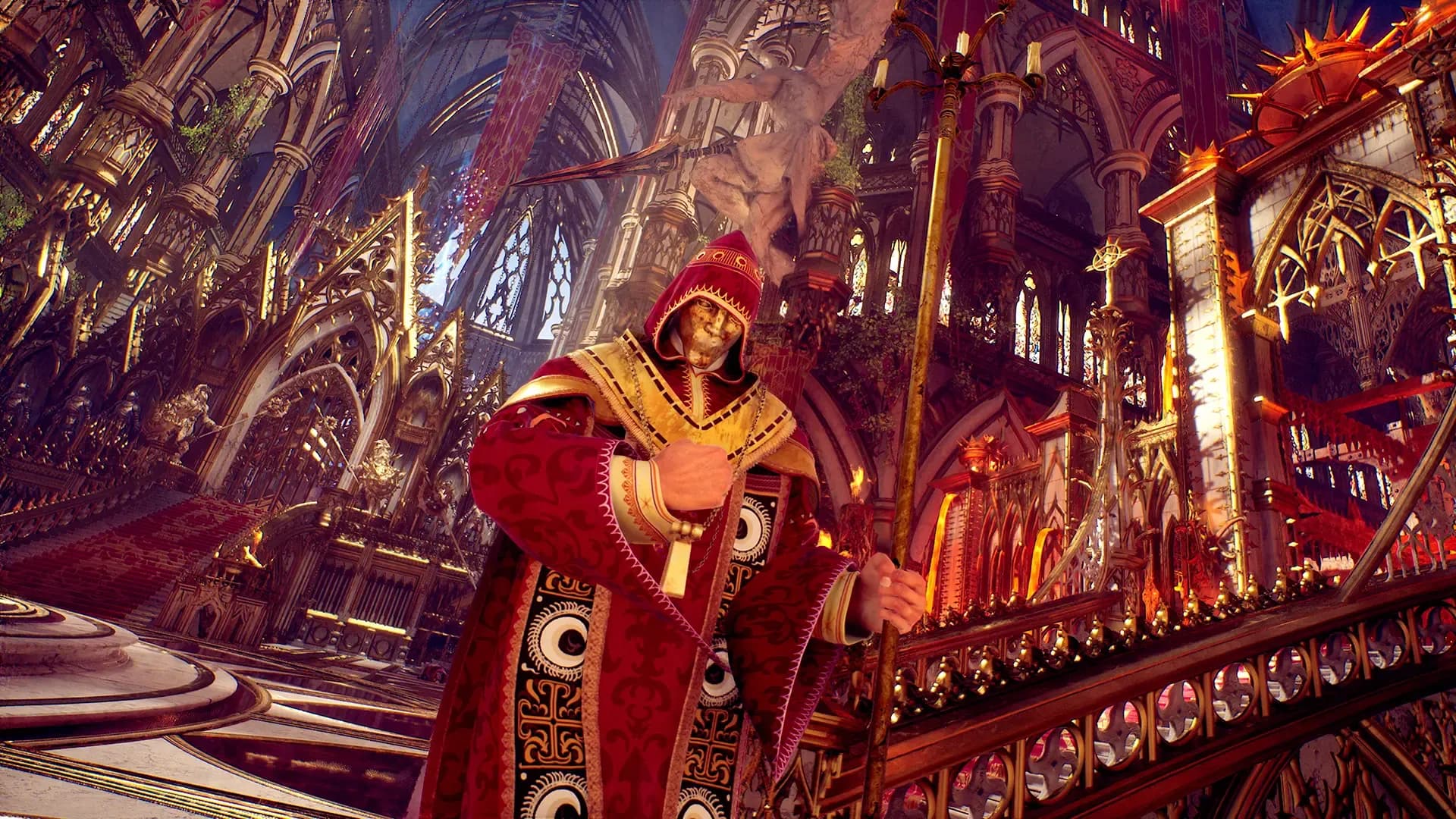
The collected Game8 answer says Crimson Moon does not provide a traditional face-and-body character creator. The player controls a predefined Nephilim, a human-angel hybrid presented consistently in official store descriptions. The sources do not confirm sliders, origins, voice choices, body types, or a starting-class screen.
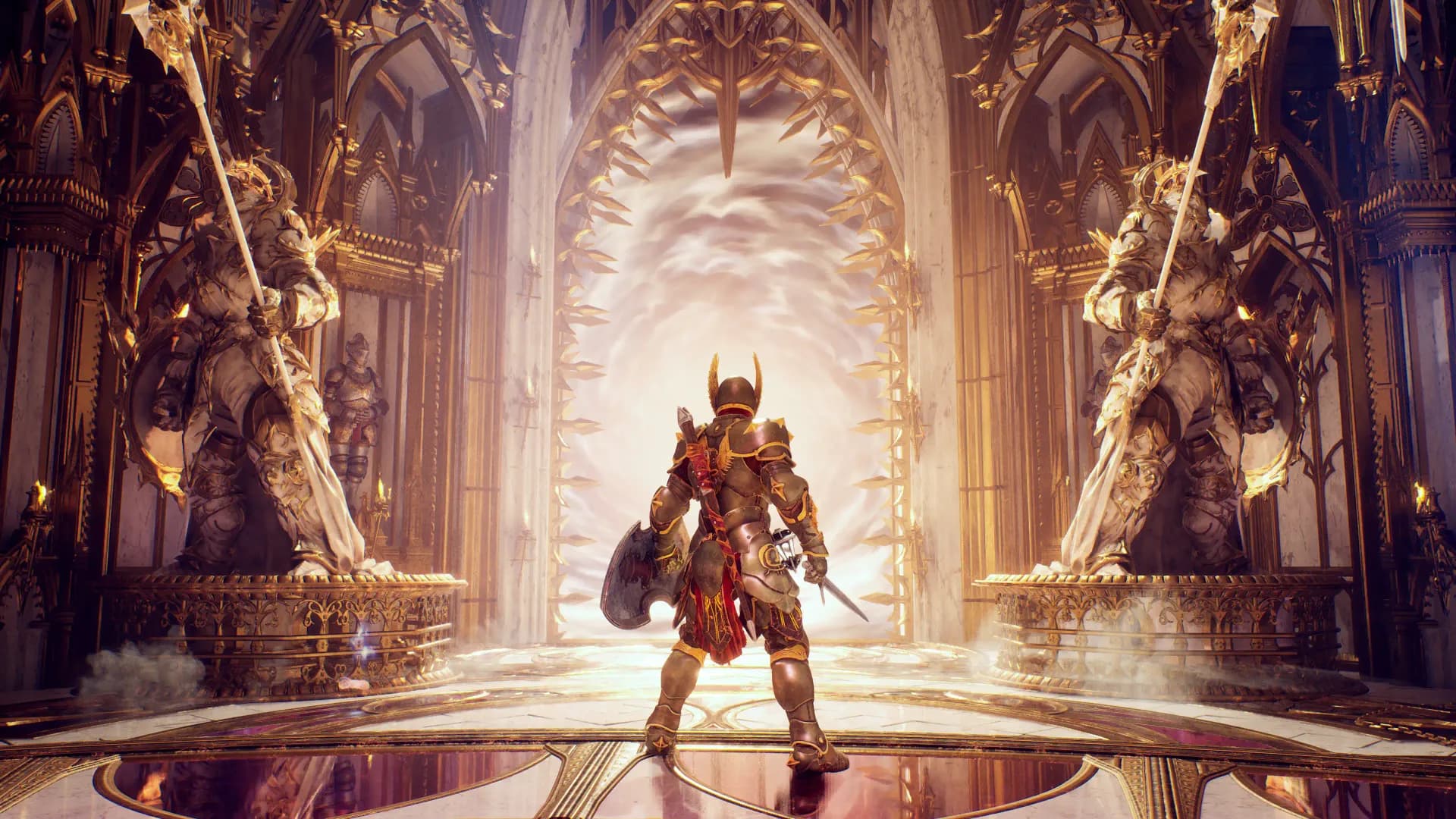
Customization instead comes through armor, weapons, Weapon Arts, Boons, and Angels. Captured guidance says armor pieces can be mixed across sets, changing visible appearance while also carrying combat effects. Any future cosmetic editing system, additional protagonist option, or appearance menu remains To be confirmed until an official source documents it.
Why Crimson Moon has no fixed classes
Crimson Moon does not use a permanent Warrior, Mage, Rogue, tank, healer, or damage-role selection. The official build explanation says a Nephilim is defined by gear, Weapon Arts, Boons, and the Angel chosen before a hunt. Community labels such as Frost control or sustain build describe behavior, not selectable in-game classes.
The classless structure allows the same player to change direction by replacing equipment and choosing different temporary effects. Co-op partners can build complementary strengths without being locked into formal roles. The number of Angels, weapons, and Boons was not established consistently by the collected official material, so final inventory counts remain To be confirmed.
The nine-piece loadout
The official build guide defines a complete loadout as nine gear pieces. It includes four armor pieces, two trinkets, a one-handed weapon with a shield, and a two-handed weapon. Players also select an Angel and carry two consumable slots before leaving the sanctuary.
That structure lets one loadout cover defense, reach, active abilities, passive effects, and recovery without selecting a permanent class. A shield can provide a safer response while the second weapon offers heavier attacks or broader control. The strongest choice depends on how the pieces interact, not only on the rarity color or one headline number.
How to plan a coherent build
Start with one repeatable combat trigger, such as blocking, parrying, sprint attacks, heavy attacks, status application, or recovery after a kill. Then choose gear, Weapon Arts, and Boons that reinforce that action instead of collecting unrelated bonuses. The official guide explicitly says rarity alone does not define the best setup.
A practical build also needs one defensive or sustain layer before every slot is committed to damage. Compare a weapon's Weapon Art, passive effect, damage behavior, and stamina demand before replacing it for a small stat increase. Exact damage values and final tier rankings are patch-sensitive and remain To be confirmed unless checked in the current game version.
Evidence-backed build examples
Captured guides use Frost as a control package that slows or freezes enemies and creates safer attack openings. Their examples combine a repeatable Frost application, a defensive trigger, and a weapon or Boon that benefits from a frozen target. These recommendations demonstrate synergy, but they are not an official universal tier list.
A captured creator build combines Poison and Bleed pressure with healing or flask recovery to absorb mistakes. Another early setup pairs a one-handed weapon and shield with a longer-reaching two-handed option for crowd control. Exact item availability depends on drops, so these examples are templates for decision-making rather than guaranteed starting inventories.
Weapon Arts and resource timing
Weapon Arts give individual weapons an active ability beyond their normal attack pattern. The official build guide describes cooldowns, while captured creator material also discusses resource management when deciding when to use an ability. A useful Weapon Art can matter more to a coherent setup than a small raw-stat advantage.
Because a loadout carries both one-handed and two-handed options, players can reserve one ability for control and another for a damage opening. The precise cooldown, cost, and balance of each Art are version-sensitive. Detailed numerical tables should therefore be treated as To be confirmed unless checked against the current live build.
Angel Mode and empowered windows
Official and captured gameplay sources describe angelic transformation as an important part of the Nephilim combat identity. Combat charges an Angel meter, and transformation creates a temporary empowered state. That limited window makes timing more important than activating it immediately whenever energy appears.
Captured beginner guidance recommends saving the meter for an elite encounter or boss phase where extra power can prevent a run-ending mistake. The selected Angel is part of preparation before the hunt and helps shape the combat plan. Exact bonuses, duration, and the complete Angel roster remain To be confirmed without current in-game verification.
Core melee combat tools
The captured gameplay material describes light and heavy attacks, dodges, jumps, blocks, parries, backstabs, and weapon-specific abilities. Throwing knives, bombs, and other consumables add utility alongside the equipped weapons. Combat is Souls-inspired, but the run structure and loadout systems give it a different rhythm from a single continuous campaign.
New players benefit from learning enemy windups before committing to long attack chains. A controlled dodge, block, or parry can protect the loot and progress already gathered during the hunt. The sources do not define one universally correct control scheme, and platform-specific bindings can change through patches.
How this page treats changing information
Crimson Moon launched recently, so store data, patch behavior, community activity, catalog inclusion, review totals, and promotions can change quickly. This guide separates stable mechanics from dated snapshots and labels unresolved claims To be confirmed. A newer official support article or platform listing outranks an older community guide when they disagree.
The source list records where each claim came from instead of treating a search snippet as proof. Blocked pages, unavailable captions, and missing fields remain evidence gaps. Readers making a purchase, account, or redemption decision should open the linked official source and check its current date, region, and platform conditions.
Frequently asked questions
Can I choose a starting class?
No fixed starting class is documented; build identity comes from the loadout and temporary choices.
Can armor pieces be mixed?
The captured character-creation guide says armor from different sets can be combined, affecting both appearance and combat.
Sources and evidence
Store, support, and captured guide references used for this page.